Membrane Chromatography: A Faster, Simpler Solution for Large Molecules
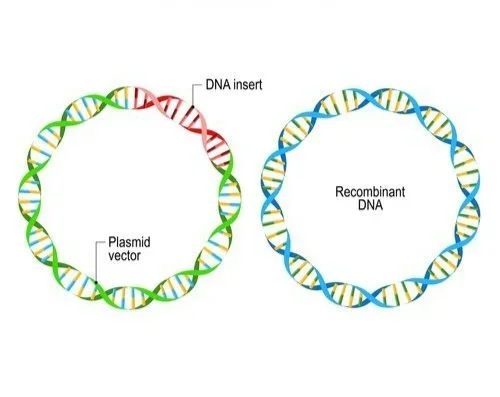
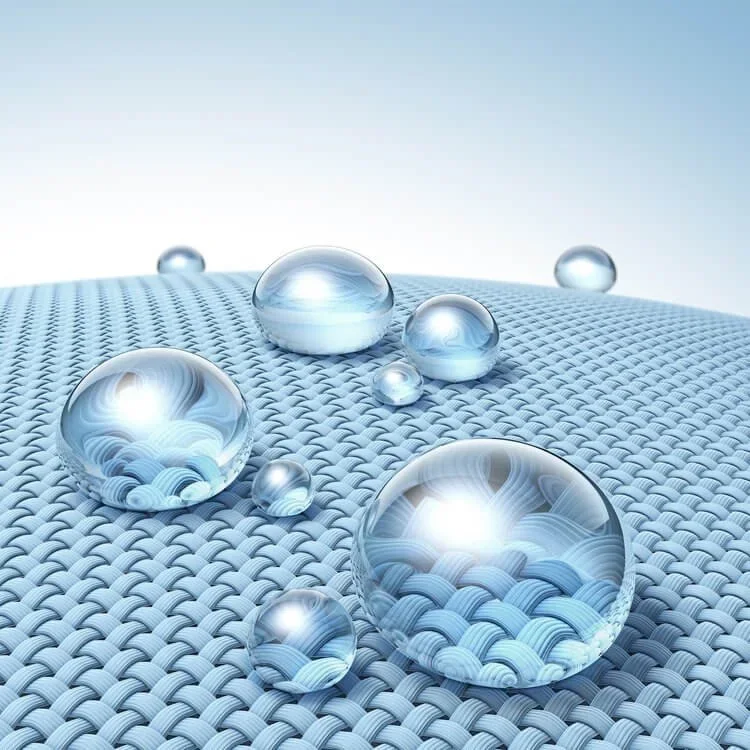
As biologics grow larger and more complex — from plasmid DNA and viral vectors to mRNA and monoclonal antibodies — traditional resin columns are falling behind. Membrane chromatography replaces slow, diffusion-based binding with rapid convective flow, cutting cycle times from hours to minutes while simplifying scale-up and supply chains. It's fast becoming the purification platform of choice for next-generation therapies.

Why Resin Chromatography Falls Short for Advanced Biologics
Discover why traditional resin chromatography is falling short for advanced biologics purification. As the biopharmaceutical industry evolves, membrane chromatography offers faster cycle times, better scalability, and lower costs — with the market projected to reach $959.42M by 2032
Overcoming Downstream Development Challenges for Emerging Nucleic Acid Therapies
As mRNA, saRNA, and plasmid DNA therapies move from breakthrough to broad clinical adoption, traditional resin and monolith chromatography are hitting their limits — struggling with size, shear sensitivity, and throughput. Next-generation membrane chromatography offers a faster, gentler, more scalable path forward for nucleic acid purification.